Le terme “ modulaire ” est souvent utilisé comme synonyme de “ préfabriqué ”, alors qu'il existe en réalité plusieurs méthodes de préfabrication. Chez Turkel Design, nos maisons utilisent un système de préfabrication par panneaux : bien que les éléments de construction soient fabriqués hors site, il ne s'agit pas de maisons modulaires.
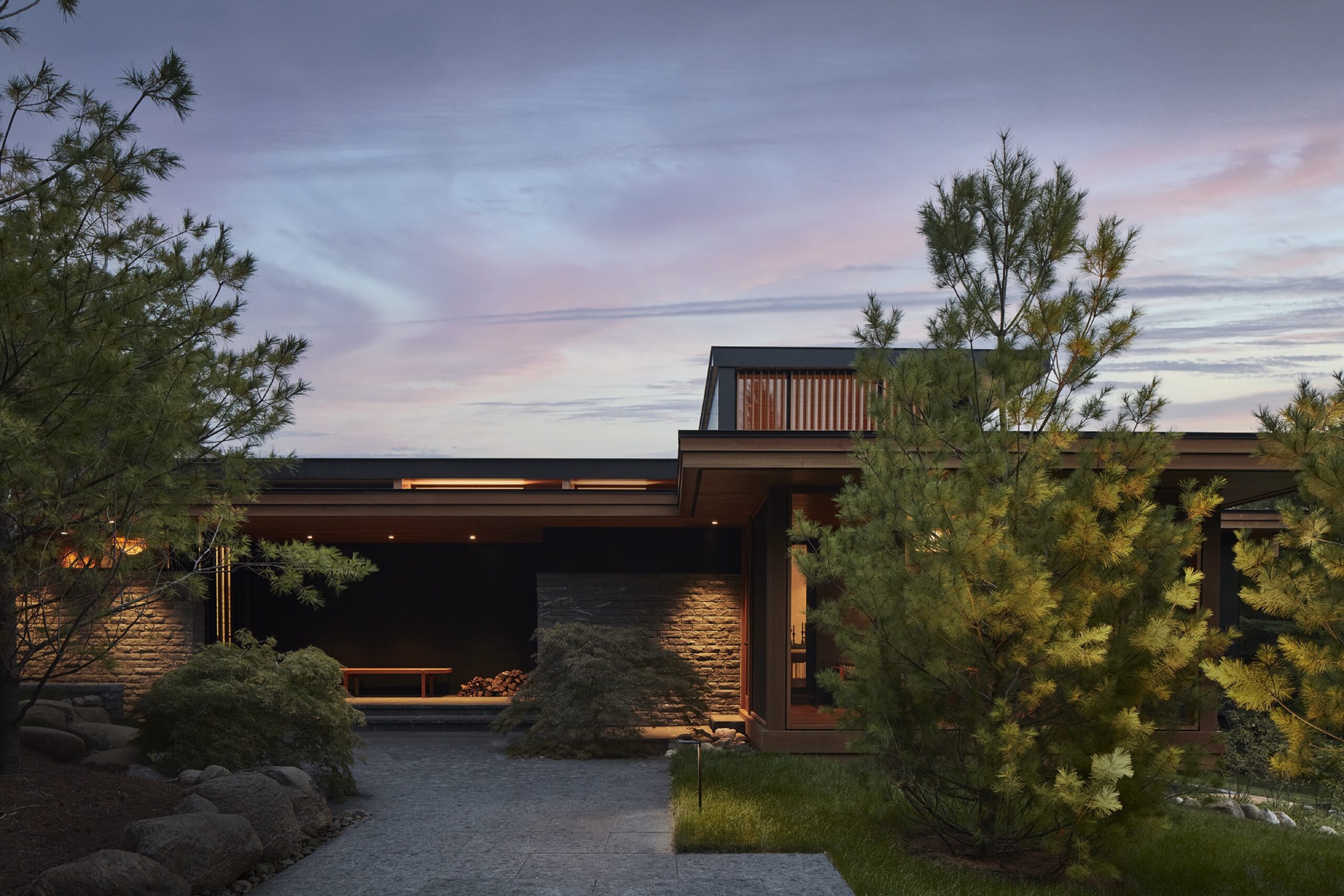
Dans les deux procédés de préfabrication (modulaire et par panneaux), une grande partie de la maison est construite en usine. En construction modulaire, des sections entières de la maison sont construites sous forme de volumes importants, partiellement ou entièrement finis. Elles sont ensuite transportées par camion jusqu'au chantier et installées sur des fondations préfabriquées.
Dans la construction modulaire, les murs extérieurs et intérieurs de la maison sont également préfabriqués, mais ces murs sont constitués d'une série de panneaux plats. Ces panneaux peuvent être transportés sur un camion plateau classique, puis assemblés sur place sur des fondations déjà existantes.
Pourquoi préfabriquer ?
La construction modulaire et la construction par panneaux permettent de résoudre les problèmes posés par la construction traditionnelle à ossature bois. Il est difficile de construire avec précision lorsqu'il faut mesurer, couper et clouer chaque élément de la maison sur place. Ce type de construction peut également s'avérer très long. De plus, pour obtenir une finition de haute qualité, il faut parfois faire appel à une expertise qui n'est pas disponible ou financièrement accessible partout. La préfabrication peut être plus précise, plus rapide, offrir un produit de qualité supérieure et, surtout, elle permet de… prévisibilité.
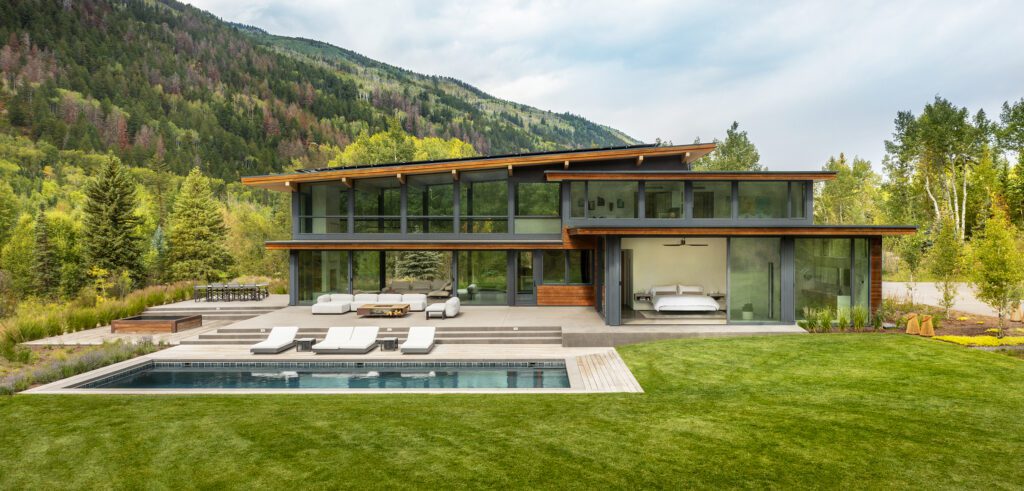
Pourquoi utilisons-nous des panneaux préfabriqués ?
La préfabrication par panneaux permet une grande variété d'agencements, offrant ainsi à nos maisons un niveau de personnalisation rarement associé au préfabriqué. La construction modulaire, quant à elle, rend cette variété difficile à obtenir efficacement.
Les modules de largeur fixe sont souvent trop grands pour un espace intime et trop petits pour un espace plus vaste. Un module d'habitation, transporté par camion, ne peut pas dépasser la hauteur du pont autoroutier le plus bas sous lequel il doit passer.
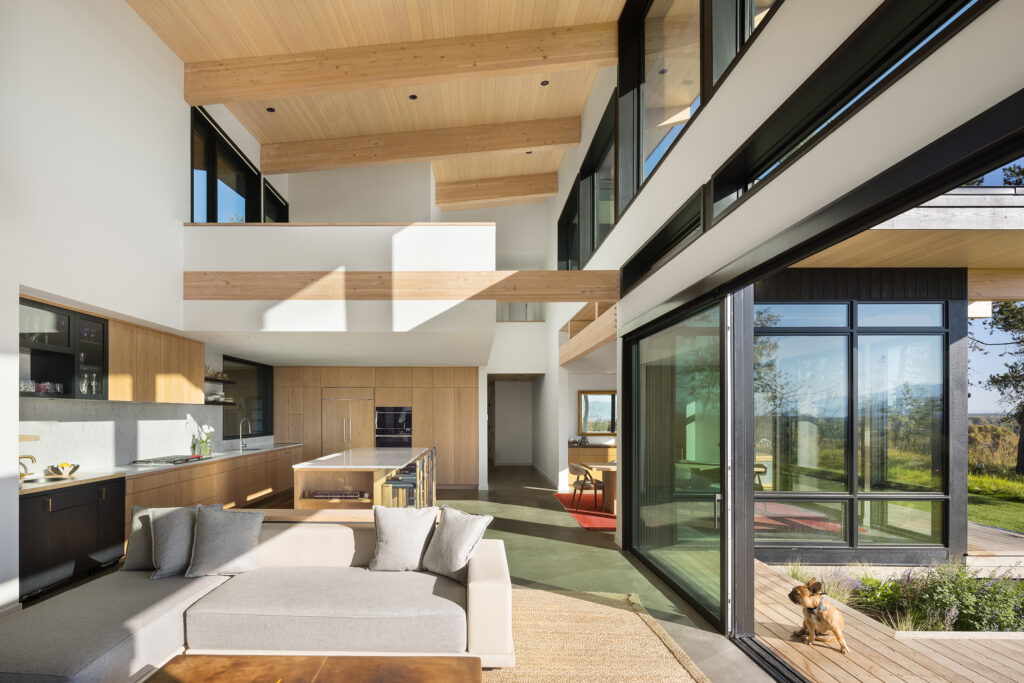
Une option plus efficace
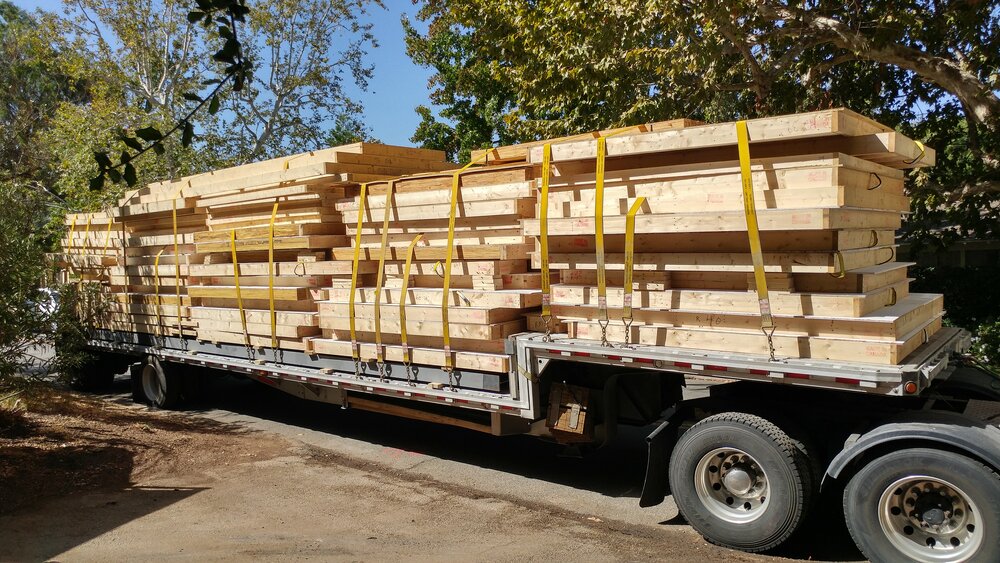
Lorsqu'une maison préfabriquée est transportée par camion jusqu'au chantier sous forme de panneaux, ces derniers peuvent être empilés les uns sur les autres dans le camion – “ à plat ” – ce qui permet de livrer une grande quantité de matériaux en une seule fois. Avec un module, c'est un volume d'air considérable qui est transporté sur la route. Les panneaux constituent donc une solution plus efficace pour le transport d'une maison préfabriquée.
Votre maison Turkel Design peut être construite à peu près n'importe où
L'un des avantages que nous offrons chez Turkel Design est notre capacité à concevoir des maisons pour pratiquement n'importe oùEn ville comme en banlieue, en périphérie ou en pleine nature, les modules d'habitation peuvent être utilisés dans des lieux proches ou éloignés. Leur taille imposante empêche leur transport par les routes étroites ou escarpées menant à ces sites isolés. De plus, lors de longs trajets, ils sont vulnérables aux intempéries (vent, pluie, vibrations de la route). Les panneaux, quant à eux, permettent d'éviter ces deux problèmes.
Votre maison peut être correctement inspectée
Les panneaux permettent d'éviter un autre problème : certaines municipalités sont réticentes aux modules pour diverses raisons. En effet, la structure, le câblage et la plomberie des modules sont souvent dissimulés derrière des plaques de plâtre, hors de portée des inspections des services d'urbanisme. Les murs de nos maisons préfabriquées sont livrés apparents, ce qui permet d'inspecter la structure et les différents systèmes dès leur installation. La construction préfabriquée en panneaux vous permet de bâtir la maison de vos rêves sur n'importe quel terrain.
Pour en savoir plus sur la façon dont nous offrons une qualité et une personnalisation sans précédent dans l'architecture des maisons préfabriquées, visitez notre site web. Traiter section.


 English
  Français
  한국어
한국어  Español
  简体中文
简体中文